
CROWN HEIGHTS, NY
What should buyers and investors know about Bed-Stuy right now?
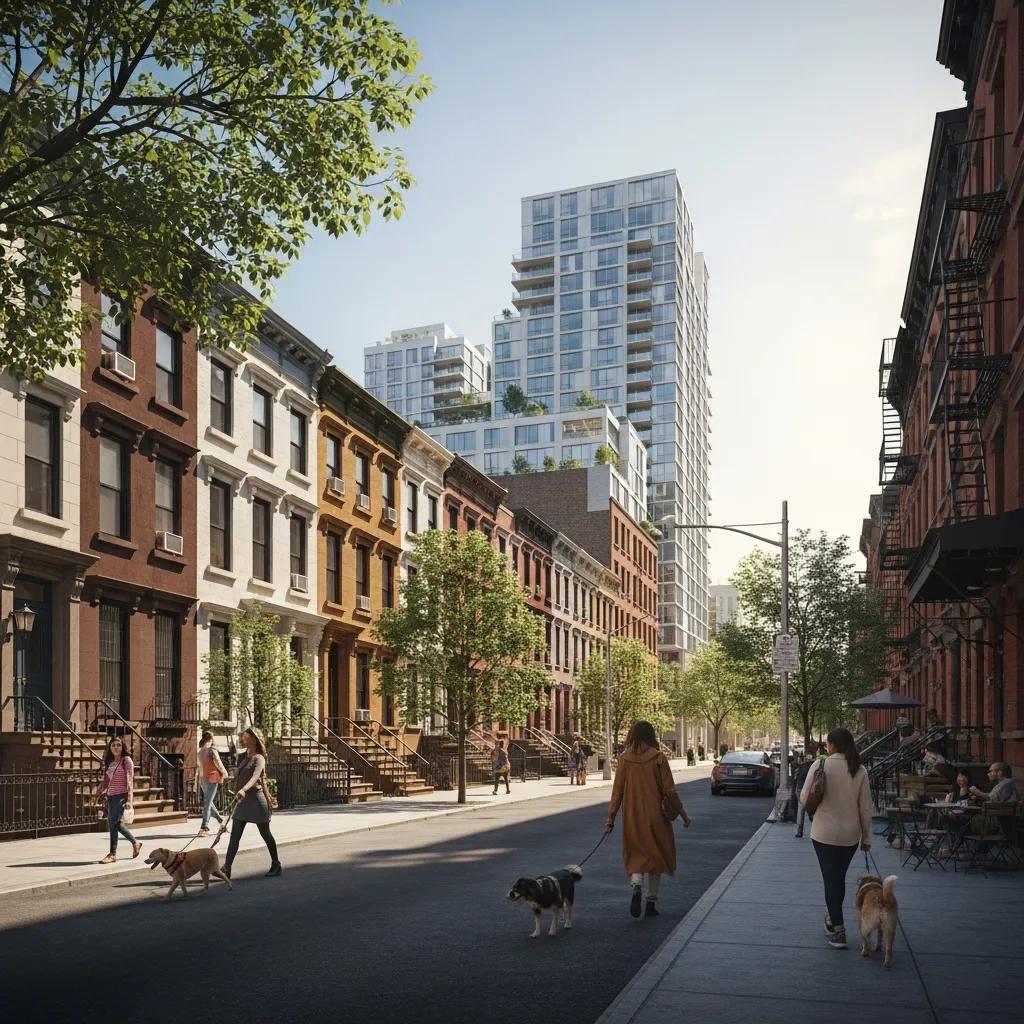
Strategic Overview
What’s the executive summary for Crown Heights?

Which market metrics matter most here?
Median Price
$1,100,000
This is the benchmark for the neighborhood’s “value alternative” position. It’s the reference point many buyers use when comparing Crown Heights to Prospect Heights and Park Slope.
Ownership Rate
19–20%
This signals a predominantly renter-occupied neighborhood. That renter base supports “Rental Alpha” dynamics and sustained leasing demand.
Lot Size
120–135 FT
Extra-deep lots are a real differentiator here. Many blocks exceed the standard 100-foot NYC lot depth, creating rare backyard utility.
Connectivity
How fast does Crown Heights connect to NYC’s major hubs?
Crown Heights is an express-transit neighborhood that keeps commutes predictably short to the city’s core employment centers. Multiple lines create redundancy, so service issues on one route rarely strand residents without a workable alternative.
-
- Airport: ~34 minutes (Grand Central as a primary regional transfer node)
- Downtown: 10–15 minutes (Downtown Brooklyn)
- Hubs: Financial District 15–20 min; Midtown (Times Sq) 25–30 min
Minutes (illustrative)
Minutes (illustrative)
Connectivity
How fast does Crown Heights connect to NYC’s major hubs?
Crown Heights is an express-transit neighborhood that keeps commutes predictably short to the city’s core employment centers. Multiple lines create redundancy, so service issues on one route rarely strand residents without a workable alternative.
-
- Airport: ~34 minutes (Grand Central as a primary regional transfer node)
- Downtown: 10–15 minutes (Downtown Brooklyn)
- Hubs: Financial District 15–20 min; Midtown (Times Sq) 25–30 min
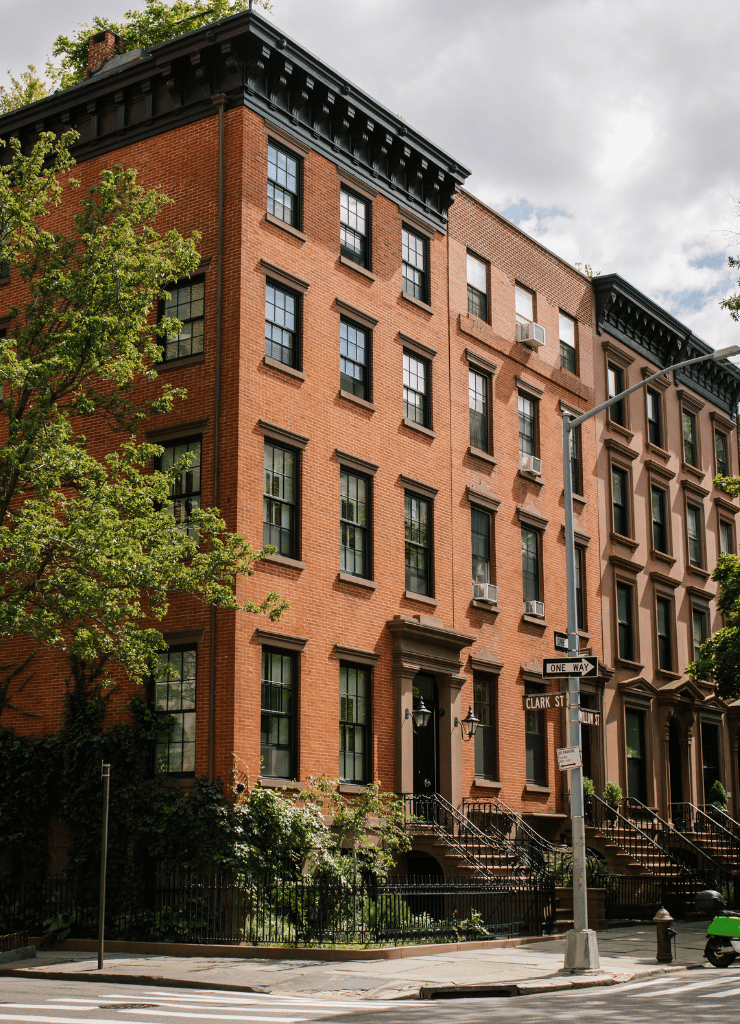
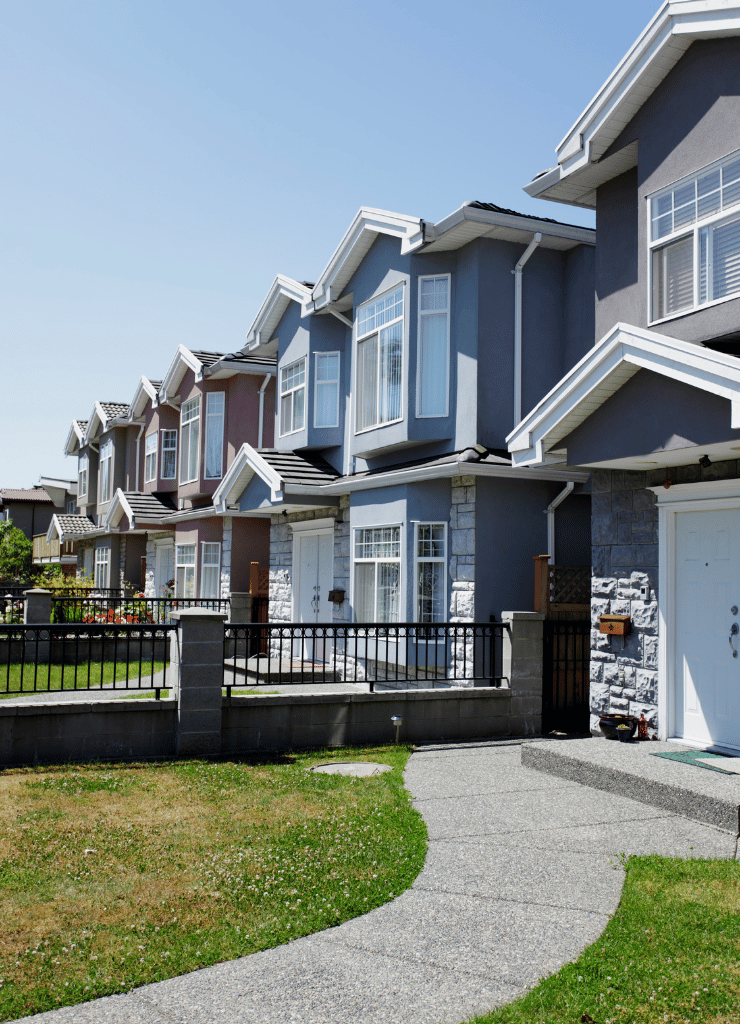
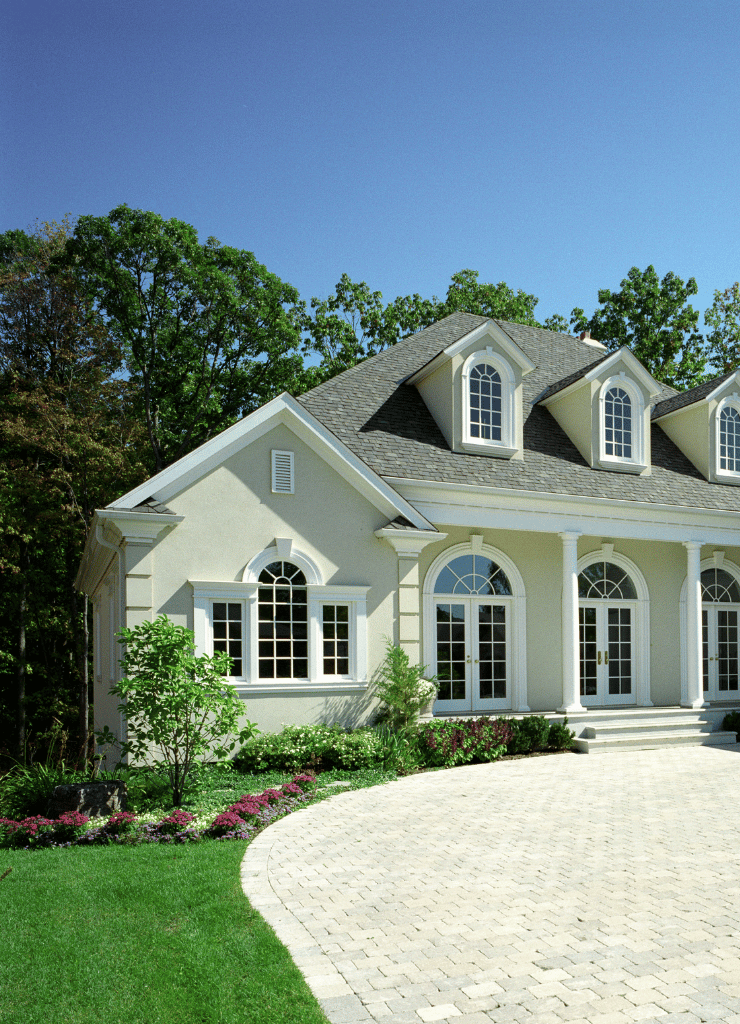
What does the housing mix look like in practice?
Housing mix (%)
Relative lifestyle score


Decision Drivers
Why do buyers consider Crown Heights?
The Express Advantage
Commute efficiency is the headline benefit. The 4/5 express and A express shrink the perceived distance to Manhattan’s major job centers, turning “Brooklyn living” into a daily-operational upgrade instead of a commute compromise.
Brownstone Value at a Better Basis
The price-to-character ratio is hard to beat. Buyers priced out of Park Slope and Prospect Heights often land here for more square footage, original details, and the upside of multi-family ownership that can offset carrying costs.
Market Mechanics
What supports longer holds in this neighborhood?
Rezoning Creates a Supply Bottleneck
Low-rise blocks stay protected while growth concentrates on corridors. The 2013 rezoning preserves the mid-block row-house character, limiting new brownstone-like supply and supporting price resilience for historic assets.
Rental Alpha Reinforces Demand
Rents have outpaced the borough average in recent periods. Strong tenant retention plus new amenity buildings raise the neighborhood’s rental ceiling, supporting both live-plus-income strategies and investor underwriting.
Which questions do smart buyers ask first?
Is Crown Heights still “value” compared to nearby premium neighborhoods?
Yes—Crown Heights remains a relative-value play at around a $1.1M median sale price. It’s frequently positioned as the alternative when Park Slope and Prospect Heights pricing forces buyers to trade down on space or historic character.
What’s the “commute headline” that actually drives demand?
Express trains make Manhattan commutes legitimately fast. Typical hub timing includes 15–20 minutes to the Financial District and 25–30 minutes to Midtown (Times Square), which is why transit-first professionals keep showing up.
How common are “real backyards” for Brooklyn standards?
Extra-deep lots are a real, documented quirk of the neighborhood’s best row-house blocks. While the standard NYC lot depth is 100 feet, Crown Heights includes many 120–135 foot lots that can produce surprisingly usable outdoor space.
Is this mostly an owner-occupied brownstone neighborhood?
No—Crown Heights is predominantly renter-occupied at roughly 80–81% renters and about 19–20% homeowners. That tenure reality helps explain both the neighborhood’s leasing strength and the appeal of multi-family strategies.
What kind of housing product shows up most often?
You’ll see a spectrum: brownstones/limestones, pre-war apartments, and newer amenity buildings. The neighborhood mixes “blue-chip” historic streets with denser rental corridors, and recent developments are adding modern finishes and building amenities.
Why do multi-family townhouses matter so much here?
They allow “live-plus-income” ownership in a high-demand rental market. Buyers can occupy one unit and rent the others, offsetting costs while benefiting from strong neighborhood leasing demand and continued reinvestment.
What are the real-world tradeoffs a buyer should price in?
Noise, corridor congestion, and “block-by-block” retail quality are the main friction points. The best lifestyle experience tends to cluster near stronger commercial strips, while other pockets may require deliberate routines for errands and groceries.
What’s the simplest way to describe who Crown Heights fits best?
It fits transit-first professionals, value-driven households seeking more space, and buyers who want rental-offset options. The neighborhood combines express access and cultural proximity with a housing mix that supports multiple ownership strategies.