
Brooklyn Rental Market Report 2026: Comprehensive Analysis of Prices, Trends, and Neighborhood Insights
The Brooklyn rental market is poised for significant changes in 2026, driven by evolving economic conditions, demographic shifts, and regulatory influences. This report delves into the projected rental prices, trends, and neighborhood insights that will shape the market landscape. Readers will gain a comprehensive understanding of how these factors interact to influence housing affordability and investment opportunities. As the demand for rental properties continues to rise, understanding the dynamics of the Brooklyn rental market becomes crucial for both renters and investors. This article will explore projected rent prices, neighborhood analyses, and essential investment insights, providing a roadmap for navigating the complexities of the Brooklyn rental landscape.
This comprehensive report builds upon broader analyses of the NYC real estate market, which highlight historical evolution, demographic shifts, and the impact of major events like the COVID-19 pandemic on housing trends.
NYC Real Estate Market Analysis: Prices, Trends & Future Insights
This project provides a comprehensive analysis of New York City’s real estate market, focusing on its historical evolution, shifting demographics, and the significant impact of the COVID-19 pandemic on housing trends. Utilizing data from trusted sources like Zillow, the NYC Department of Finance, and the U.S. Census Bureau, the study investigates how property values have changed over time, highlights neighborhoods undergoing notable transformations, and identifies the economic, cultural, and social factors driving these changes. The research aims to reveal the complex forces shaping the market while offering insights into its future direction and the reasons behind current trends.
Comprehensive Data-Driven Analysis of NYC Real Estate Transactions: Insights into Pricing Dynamics, Neighborhood Evolution, and Socioeconomic Influences, 2025
What Are the Projected Brooklyn Rent Prices in 2026?
In 2026, the Brooklyn rental market is expected to see a continued upward trend in prices, influenced by various economic and social factors. The average rent for a one-bedroom apartment is projected to reach approximately $3,850, reflecting a 2.5% increase from the previous year. This increase is attributed to the ongoing demand for housing in urban areas, coupled with limited supply. Understanding these projected prices is essential for both renters and investors looking to make informed decisions in a competitive market.
How Have Brooklyn Apartment Rentals Changed Over Recent Years?
Over the past few years, Brooklyn apartment rentals have experienced notable fluctuations. In 2021, the average rent for a one-bedroom apartment was around $3,756, which indicates a significant increase as the market rebounds from the pandemic’s impact. Economic factors such as job growth and an influx of new residents have contributed to this upward trend. Additionally, compared to other areas in New York City, Brooklyn’s rental prices have remained relatively competitive, attracting a diverse demographic of renters.
The observed upward trend and influx of new residents are often linked to broader processes of urban transformation, as detailed in studies on gentrification.
Brooklyn Gentrification: Drivers, New Units & Displacement
Gentrification has played a significant role in transforming and renovating dense urban areas to appeal more to wealthier populations. Revitalizing and constructing new units impose considerable ramifications for existing residents, with the most significant being displacement. This study, therefore, explores the drivers of gentrification in Brooklyn, specifically aiming to uncover the statistical and systematic issues that perpetuate community revitalization and property flipping.
Drivers of Gentrification in Brooklyn: The Impact of New Units on Incumbent Residents, T Arapis, 2025
What Factors Influence Rental Price Trends in Brooklyn?
Several key factors influence rental price trends in Brooklyn. Economic indicators such as employment rates and income levels play a crucial role in determining housing demand. Furthermore, the supply and demand dynamics, particularly in popular neighborhoods, significantly impact rental prices. Regulatory impacts, including rent control laws, also shape the market by affecting landlords’ pricing strategies and tenants’ affordability. Understanding these factors is vital for anticipating future market movements.
Which Brooklyn Neighborhoods Offer the Best Rental Opportunities in 2026?
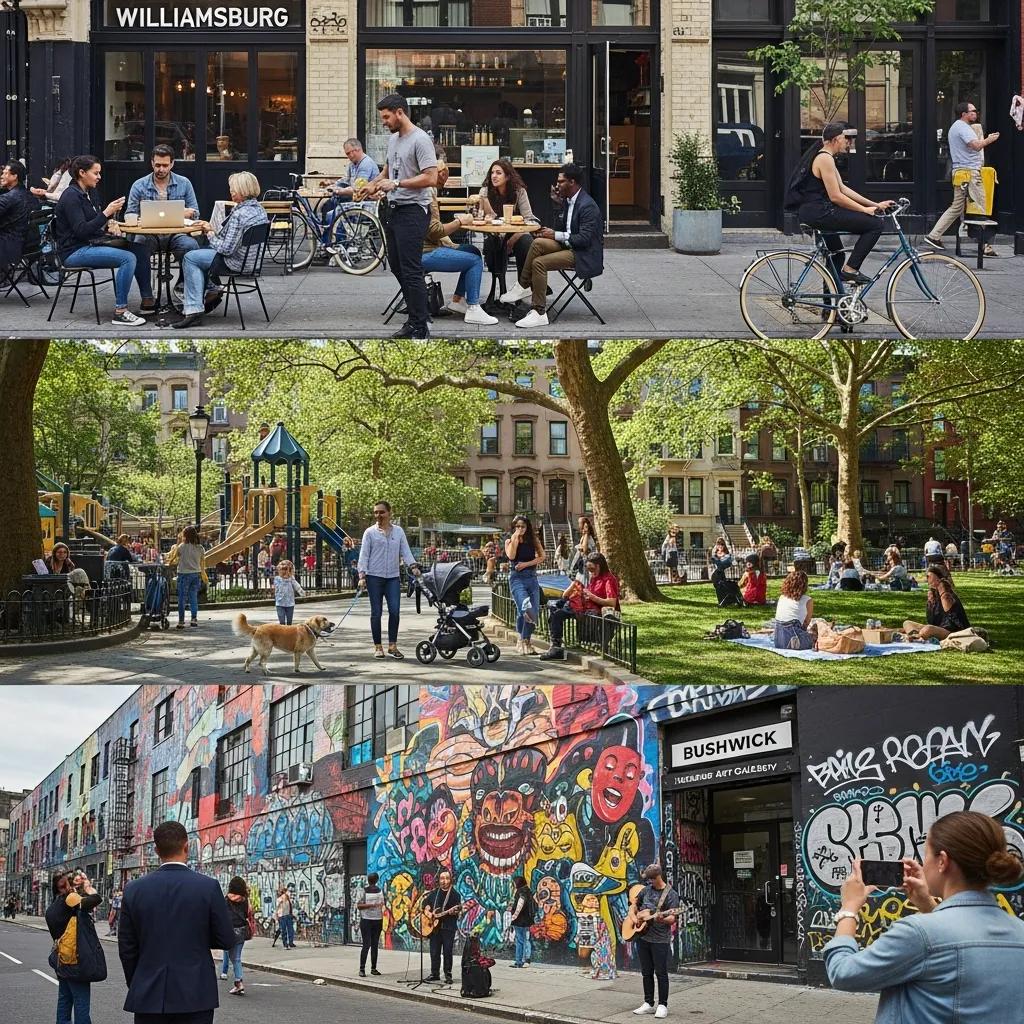
As the Brooklyn rental market evolves, certain neighborhoods are emerging as prime locations for renters and investors alike. Areas such as Williamsburg, Park Slope, and Bushwick are gaining attention due to their vibrant communities and accessibility to public transportation. These neighborhoods not only offer diverse amenities but also present varying rental price ranges, making them attractive options for different demographics.
What Are the Rental Price Variations Across Brooklyn Neighborhoods?
Rental prices vary significantly across Brooklyn neighborhoods, reflecting differences in demand and local amenities. For instance, Williamsburg boasts an average rent of $4,625 for a one-bedroom apartment, while Bushwick offers more affordable options at around $3,200. The following table illustrates the rental price variations across key neighborhoods:
These variations highlight the importance of considering neighborhood characteristics when evaluating rental opportunities.
How Do Neighborhood Amenities Affect Housing Affordability?
Neighborhood amenities significantly impact housing affordability in Brooklyn. Areas with access to parks, schools, and public transportation tend to attract higher rental prices due to increased demand. For example, neighborhoods like Park Slope, known for their excellent schools and green spaces, command higher rents compared to less amenity-rich areas. This relationship between amenities and rental prices underscores the need for renters to assess their priorities when choosing a location.
How Are Brooklyn Rental Market Trends Shaping Housing Affordability in 2026?
The trends observed in the Brooklyn rental market are directly influencing housing affordability for residents. As rental prices continue to rise, many individuals and families are finding it increasingly challenging to secure affordable housing. This section explores the implications of current market trends on affordability and the potential future landscape.
What Is the Impact of Rental Vacancy Rates on Market Dynamics?
Rental vacancy rates play a crucial role in shaping market dynamics in Brooklyn. Currently, the vacancy rate stands at approximately 4%, indicating a relatively tight market. Low vacancy rates often lead to increased competition among renters, driving prices higher. Historical trends suggest that as vacancy rates decrease, rental prices tend to rise, further exacerbating affordability challenges for many residents.
How Do Rent Control Laws Influence Affordability in Brooklyn?
Rent control laws in Brooklyn significantly influence housing affordability by regulating how much landlords can increase rents. These laws aim to protect tenants from sudden price hikes, but they can also discourage new construction and investment in rental properties. Understanding the implications of these regulations is essential for both renters and investors navigating the market.
Further insights into the specific impacts of rent control reveal its role in preserving affordability, particularly for long-term residents and specific communities like artists.
Brooklyn Rent Control & Artist Housing Affordability
artist housing laws, specifically focusing on the history of rent control and its impact on the availability and affordability of artist live/work spaces, Maugenest is still living in her rent-controlled Brooklyn apartment.
Home is where the art is: The impact that housing laws and gentrification policies have had on the availability and affordability of artist live/work spaces, 2013
What Investment Insights Are Essential for Brooklyn Rental Properties in 2026?

For investors looking to capitalize on the Brooklyn rental market, understanding the current landscape is crucial. This section provides insights into the best neighborhoods for investment and the factors that can influence potential returns.
Which Neighborhoods Present the Best Investment Potential?
Investors should consider neighborhoods with strong growth potential, such as Bushwick and Crown Heights. These areas are experiencing revitalization and increased demand, making them attractive for long-term investment. The following table outlines key investment neighborhoods and their projected growth:
These insights can guide investors in making informed decisions about where to allocate their resources.
How Do Market Forecasts Inform Buyer and Investor Decisions?
Market forecasts play a vital role in shaping buyer and investor decisions in the Brooklyn rental market. By analyzing trends and projections, investors can identify opportunities and mitigate risks. For instance, understanding the anticipated rental price increases can help investors time their purchases effectively, maximizing potential returns.
What Are the Key Regulatory Factors Affecting Brooklyn Rentals in 2026?
Regulatory factors significantly impact the Brooklyn rental market, influencing both renters and investors. This section examines the key regulations that shape the landscape and their implications for the future.
How Do Rent Control and Housing Policies Impact the Rental Market?
Rent control and housing policies are critical components of the Brooklyn rental market. These regulations aim to balance tenant protections with the need for a healthy rental market. However, they can also create challenges for landlords and investors, affecting their ability to adjust rents in response to market conditions.
What Recent Changes in Regulations Should Renters and Investors Know?
Recent changes in regulations, including updates to rent control laws, have implications for both renters and investors. Staying informed about these changes is essential for navigating the market effectively. For instance, new policies may affect how landlords can increase rents or the types of properties eligible for rent stabilization.
What Frequently Asked Questions Do Renters and Investors Have About Brooklyn Rentals in 2026?
As the Brooklyn rental market evolves, both renters and investors have common questions regarding trends and opportunities. This section addresses some of the most frequently asked questions to provide clarity and guidance.
What Are the Average Rents and Market Changes Expected in 2026?
The average rents in Brooklyn are projected to rise to approximately $3,850 for a one-bedroom apartment in 2026. This increase reflects ongoing demand and limited supply, making it essential for renters to plan accordingly. Understanding these market changes can help individuals make informed decisions about their housing options.
Which Brooklyn Neighborhoods Are Most Suitable for Renters and Investors?
Neighborhoods such as Williamsburg, Park Slope, and Bushwick are among the most suitable for both renters and investors. These areas offer a combination of desirable amenities, strong rental demand, and potential for future growth. Evaluating these neighborhoods can provide valuable insights for those looking to enter the Brooklyn rental market.