

Complete Guide to Selling Your Brooklyn Home
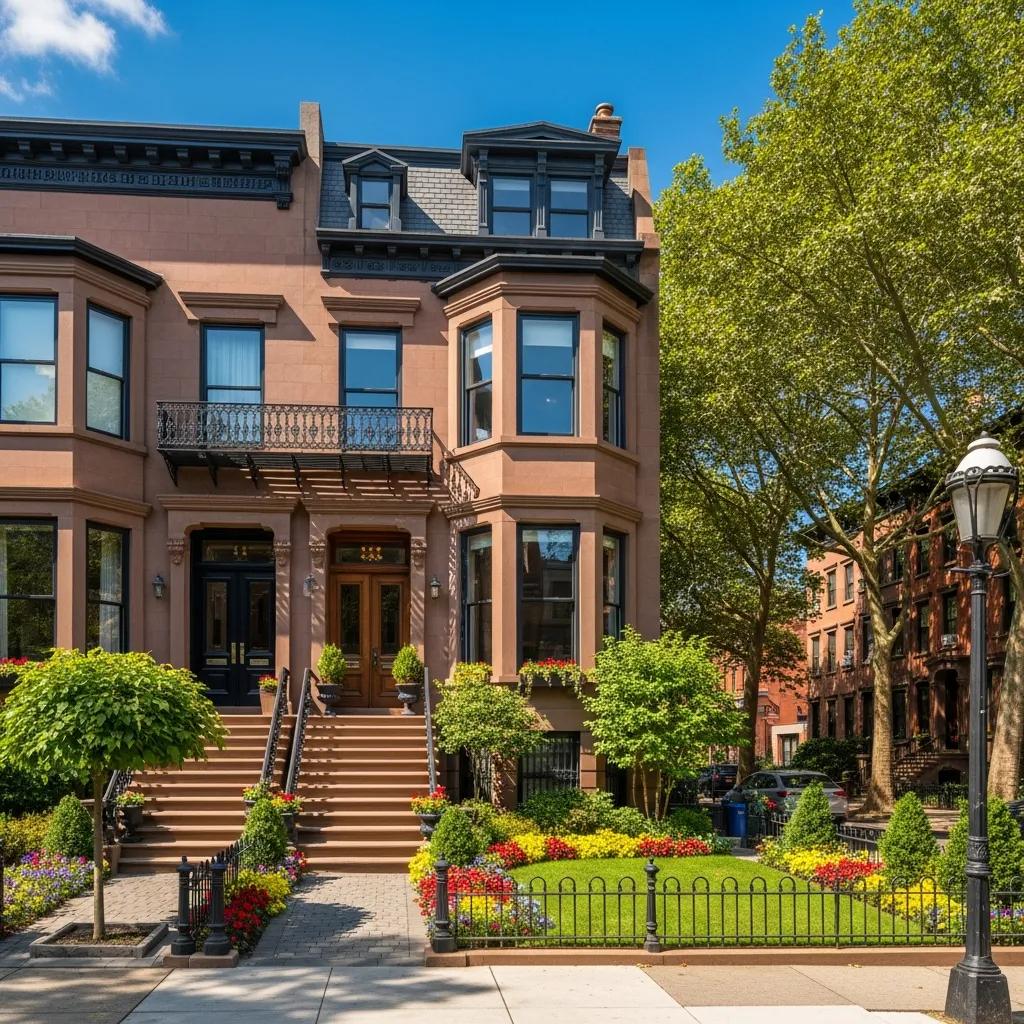
Complete Guide to Selling Your Brooklyn Home: Step-by-Step Process and Expert Tips
How Do You Price Your Brooklyn Home for Sale?

What Factors Influence Brooklyn Property Valuation?
- Location: Homes in desirable neighborhoods typically command higher prices due to demand.
- Property Condition: Well-maintained homes with modern updates tend to sell for more than those needing repairs.
- Market Demand: The overall real estate market conditions, including buyer interest and inventory levels, significantly impact property values.
How to Use Market Trends to Set the Right Price in Brooklyn?
- Recent Sales Data: Look at comparable homes that have recently sold in your area to gauge pricing.
- Understanding Buyer Behavior: Pay attention to what buyers are looking for in your neighborhood, such as amenities and school districts.
- Adjusting Prices Based on Trends: If the market is shifting, be prepared to adjust your price accordingly to remain competitive.
What Are the Essential Steps in the Brooklyn Home Selling Process?
- Preparation and Staging: Preparing your home for sale includes decluttering, cleaning, and staging to make it appealing to buyers.
- Legal Considerations: Familiarize yourself with the legal requirements for selling a home in Brooklyn, including disclosures and contracts.
- Closing Process: Understand the closing process, including negotiations, inspections, and final paperwork.
How to Prepare and Stage Your Home for Brooklyn Buyers?
- Importance of First Impressions: A well-staged home creates a positive first impression, making it more likely to sell quickly.
- Staging Techniques: Use neutral colors, declutter spaces, and arrange furniture to highlight your home's best features.
- Common Mistakes to Avoid: Avoid over-personalizing your space, as this can make it harder for buyers to envision themselves in your home.
What Are the Legal and Financial Considerations When Selling in Brooklyn?
- Understanding Contracts: Familiarize yourself with the contracts involved in the sale, including purchase agreements and disclosures.
- Disclosure Requirements: Be aware of what you are legally required to disclose to potential buyers about your property.
- Financial Implications of Selling: Consider the costs associated with selling, such as agent commissions, closing costs, and potential capital gains taxes.
How Do You Choose the Best Realtor in Brooklyn?

- Qualities of a Good Realtor: Look for a realtor with a strong track record in your neighborhood, excellent communication skills, and a solid marketing strategy.
- Questions to Ask: Inquire about their experience, approach to pricing, and how they plan to market your home.
- Importance of Local Knowledge: A realtor familiar with Brooklyn's neighborhoods can provide valuable insights and help you position your home effectively.
What Qualities Should You Look for in a Brooklyn Real Estate Agent?
- Experience in Brooklyn Market: An agent with local experience understands the nuances of the Brooklyn market.
- Communication Skills: Effective communication is key to a smooth selling process.
- Negotiation Skills: A skilled negotiator can help you secure the best price for your home.
How Can a Brooklyn Realtor Facilitate a Smooth Home Sale?
- Marketing Strategies: Implementing effective marketing strategies to attract potential buyers.
- Handling Negotiations: Managing negotiations to ensure you get the best possible deal.
- Managing Paperwork: Taking care of the necessary paperwork and legal requirements, reducing your stress during the process.
What Are the Current Brooklyn Real Estate Market Trends in 2024-2026?
- Current Market Conditions: The Brooklyn real estate market is experiencing fluctuations, with varying demand across neighborhoods.
- Neighborhood Insights: Different neighborhoods may have unique trends, affecting pricing and buyer interest.
- Future Predictions: Keeping an eye on future market predictions can help you make informed decisions about your sale.
How Do Neighborhood Market Insights Affect Your Home Sale?
- Neighborhood Desirability: Homes in highly desirable neighborhoods often sell for a premium.
- Comparative Market Analysis: Conducting a comparative market analysis can help you understand how your home stacks up against similar properties.
- Impact on Pricing: Neighborhood trends can directly influence your pricing strategy, making it essential to stay informed.
What Are the Expected Closing Costs and Timelines in Brooklyn?
- Typical Closing Costs: Closing costs can include agent commissions, title insurance, and transfer taxes, which typically range from 2% to 6% of the sale price.
- Timeline for Closing: The closing process usually takes 30 to 45 days, depending on various factors such as financing and inspections.
- Factors Affecting Timelines: Delays can occur due to issues with financing, inspections, or negotiations, so it's essential to be prepared for potential changes.