
East New York, Brooklyn, NY
Market Monitor & Neighborhood Narrative

East New York
Brooklyn’s value-to-transit powerhouse with rezoning-driven upside
Executive Summary
East New York is a large, transit-rich Brooklyn neighborhood shaped by an industrial legacy, the 2016 Neighborhood Plan rezoning, and a growing pipeline of mixed-income, transit-oriented development.
With late-2025 median pricing well below the borough median and Broadway Junction enabling fast access to Downtown Brooklyn and Manhattan, it remains a prime target for value-seeking buyers—especially those leveraging multi-family “house-hack” ownership models.

Market Metrics
Median Price
$675,000
Late-2025 median pricing sits below the Brooklyn median—core value driver.
Ownership Rate
Est. 32%
Ownership is reinforced by multi-family income strategies and FHA pathways.
Lot Size
~2,500 sq ft
Common Brooklyn baseline: compact lots with high interior density.
Connectivity
Central Access Logic
Broadway Junction (A, C, J, Z, L + LIRR) is the neighborhood’s economic anchor—supporting rapid commutes to Downtown Brooklyn and Manhattan, and stabilizing demand even during borough-wide volatility.
-
- Airport: ~35 min (JFK)
- Downtown: ~18 min (Downtown Brooklyn)
Connectivity
Central Access Logic
Broadway Junction (A, C, J, Z, L + LIRR) is the neighborhood’s economic anchor—supporting rapid commutes to Downtown Brooklyn and Manhattan, and stabilizing demand even during borough-wide volatility.
-
- Airport: ~35 min (JFK)
- Downtown: ~18 min (Downtown Brooklyn)
Central Access Logic





Transit Hub Premium
Shirley Chisholm State Park (407 acres) plus a major new recreation center shifts the south from “industrial edge” to lifestyle asset.
Green-Waterfront Lift
Shirley Chisholm State Park (407 acres) plus a major new recreation center shifts the south from “industrial edge” to lifestyle asset.
Metroplex Strategic Placement
East New York Strategic Location
Why does Broadway Junction matter for East New York home values?
It’s the neighborhood’s demand engine. Broadway Junction links five subway lines plus LIRR, enabling ~15–20 minutes to Downtown Brooklyn and ~20 minutes to Lower Manhattan—making East New York a commute-efficient “value buy” inside Brooklyn.
How does the 2016 Neighborhood Plan reshape the growth map?
It concentrates new density along key corridors. Atlantic and Pitkin are being rebuilt as mixed-use spines, with permitted heights up to ~12–14 stories and mandatory affordable housing in new projects.
What’s the practical “center of gravity” for buyers?
Areas closest to fast transit and upgraded corridors tend to lead. Proximity to Broadway Junction and the Atlantic/Pitkin redevelopment zones usually drives the strongest buyer competition and future upside expectations.
How close is East New York to major retail without leaving Brooklyn?
Very close—Gateway Center functions like a suburban retail hub. It delivers big-box convenience (Target, Home Depot, etc.) with large parking and bus access—rare for NYC neighborhoods.
What’s the neighborhood’s edge relative to Canarsie and Brownsville?
East New York has the best “transit ceiling” for appreciation. Canarsie offers a more suburban feel but weaker transit; Brownsville can be cheaper, but East New York’s rezoning + Broadway Junction raise the long-term upside case.
Why is the Jamaica Bay shoreline becoming more relevant?
Public investment is converting the “back edge” into an amenity layer. The park + recreation center pipeline pushes lifestyle value south, improving weekend use cases and long-term livability perception.
Market Queries
East New York Essentials
What is the realistic entry price for East New York right now?
Entry pricing is typically in the high-$600Ks. Late-2025 medians cluster around ~$675K, with broader ranges reported up to the high-$800Ks depending on property type and condition.
What housing types dominate the side streets?
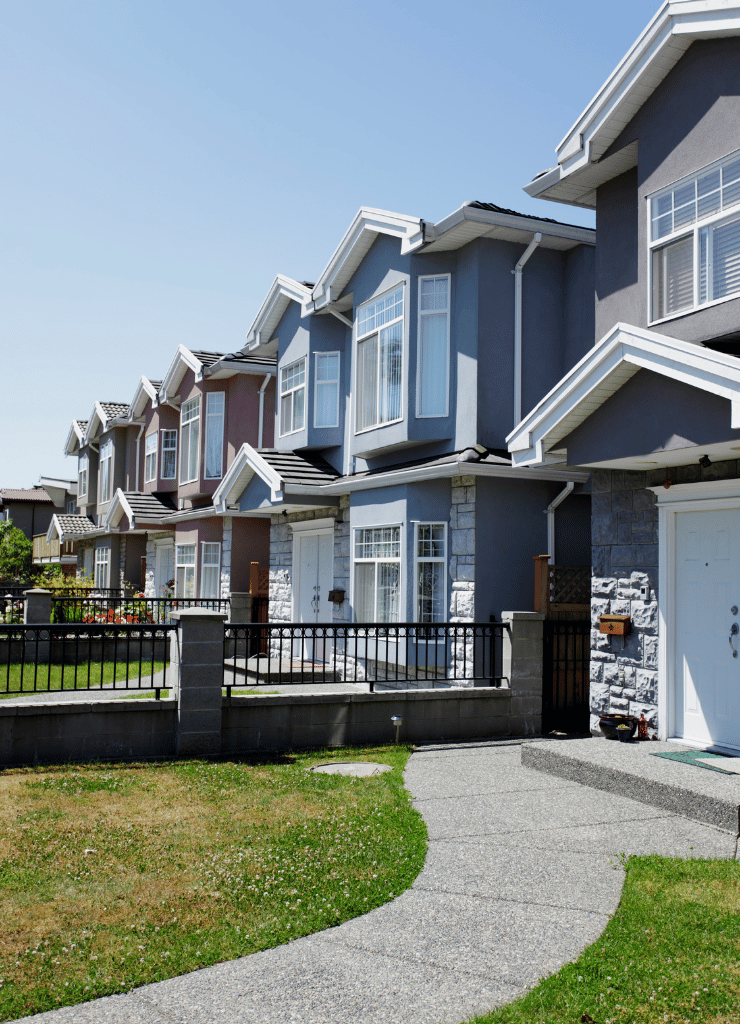
Low-rise multi-family and attached/semi-detached homes lead. The backbone is two-to-four family houses and rowhome-style product, often used as income-producing “owner + tenant” assets.
How volatile are prices month-to-month?
Volatility can be high because sales volume is uneven. Monthly medians swing when transactions are thin, so trend-reading works best over quarters, not single months.
Why do buyers “house-hack” here more than other Brooklyn neighborhoods?
Multi-family layouts make the math work. Rental income from secondary units helps buyers qualify for financing and reduces effective monthly carry—key in a borough with high purchase barriers.
What’s the rental picture for investors?
Rents are strong but regulation shapes strategy. A large stabilized stock and low vacancy support rent resilience, while owners need to understand compliance and unit status before underwriting.
What’s the biggest long-term risk to track?
Displacement pressure is the headline risk variable. New development and rising demand can strain affordability; policy shifts and tenant protections influence how quickly market-rate pricing can expand.
What’s the simplest “buy box” to start with?
Target a clean, well-located small home or a legally straightforward two-family with livable units. This keeps financing and resale options broad while letting you improve value through selective upgrades rather than a full structural overhaul.