
FLATBUSH, BROOKLYN, NY
What makes Flatbush a “value play” with real city reach?
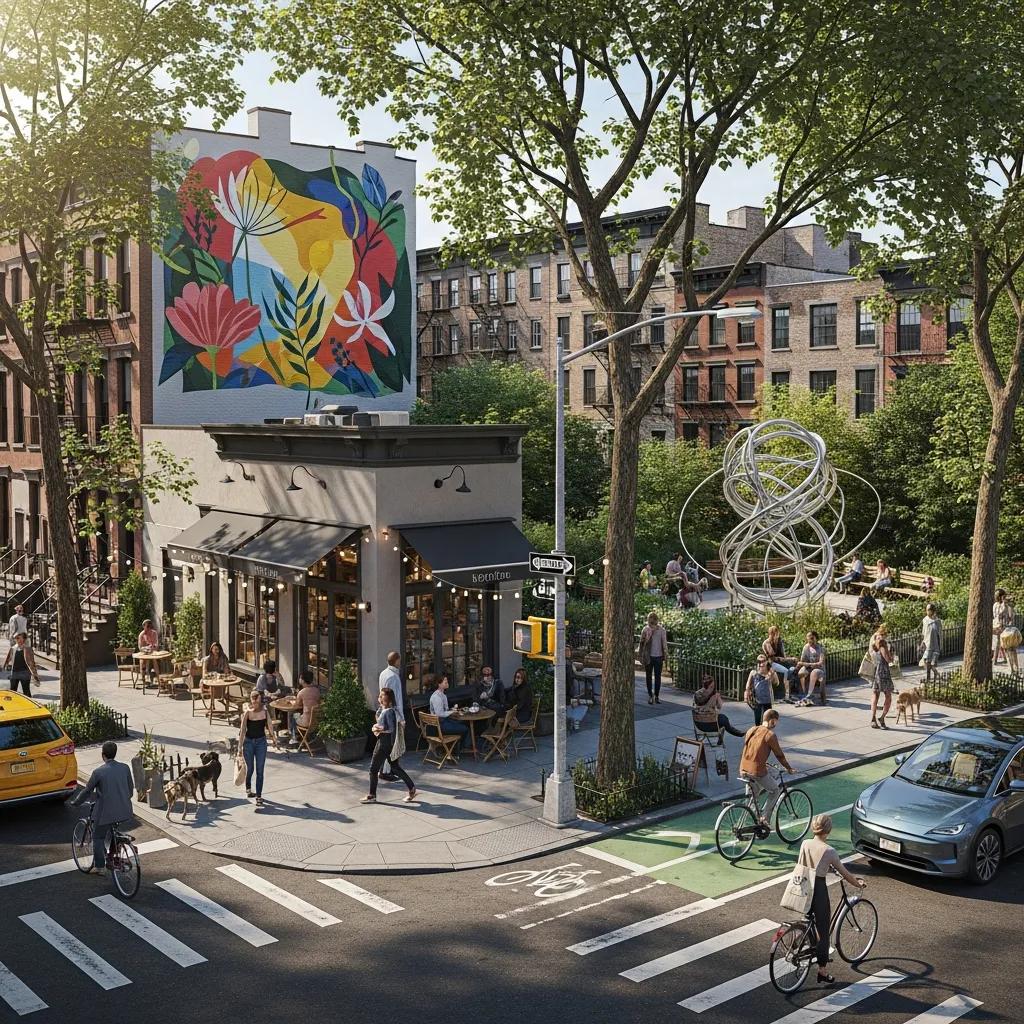
Strategic Overview
What’s the executive summary for Flatbush right now?

Market Metrics: What numbers define the entry point?
Median Price
$899,500
Entry point for the broader Flatbush market positioning.
Ownership Rate
10.8%
Calculated from ~89.2% renter occupancy (renter-dominant velocity).
Lot Size
Varies
Most inventory is apartment-dominant; detached Victorian enclaves add yard space.
Connectivity
How fast does Flatbush connect to the core job centers?
Flatbush wins on commute utility because Q/2/5 access (plus B express at key nodes) makes Manhattan reach practical for daily life. The neighborhood behaves like a commuter hub: direct routes to Lower Manhattan and Midtown are competitive, and additional lines extend reach to the Upper East Side—while “shadow transit” like dollar vans helps fill gaps when service is disrupted.
-
- Airport: ~35 minutes (estimated typical drive to JFK; not stated in report)
- Downtown: 16 minutes (Lower Manhattan / Canal St via Q)
- Hubs: Midtown / Rockefeller Center ~29 minutes (B express); Upper East Side / 86 St ~38 minutes (B)
Connectivity
How fast does Flatbush connect to the core job centers?
Flatbush wins on commute utility because Q/2/5 access (plus B express at key nodes) makes Manhattan reach practical for daily life. The neighborhood behaves like a commuter hub: direct routes to Lower Manhattan and Midtown are competitive, and additional lines extend reach to the Upper East Side—while “shadow transit” like dollar vans helps fill gaps when service is disrupted.
-
- Airport: ~35 minutes (estimated typical drive to JFK; not stated in report)
- Downtown: 16 minutes (Lower Manhattan / Canal St via Q)
- Hubs: Midtown / Rockefeller Center ~29 minutes (B express); Upper East Side / 86 St ~38 minutes (B)
Housing Highlight: What inventory mix creates the “mosaic”?

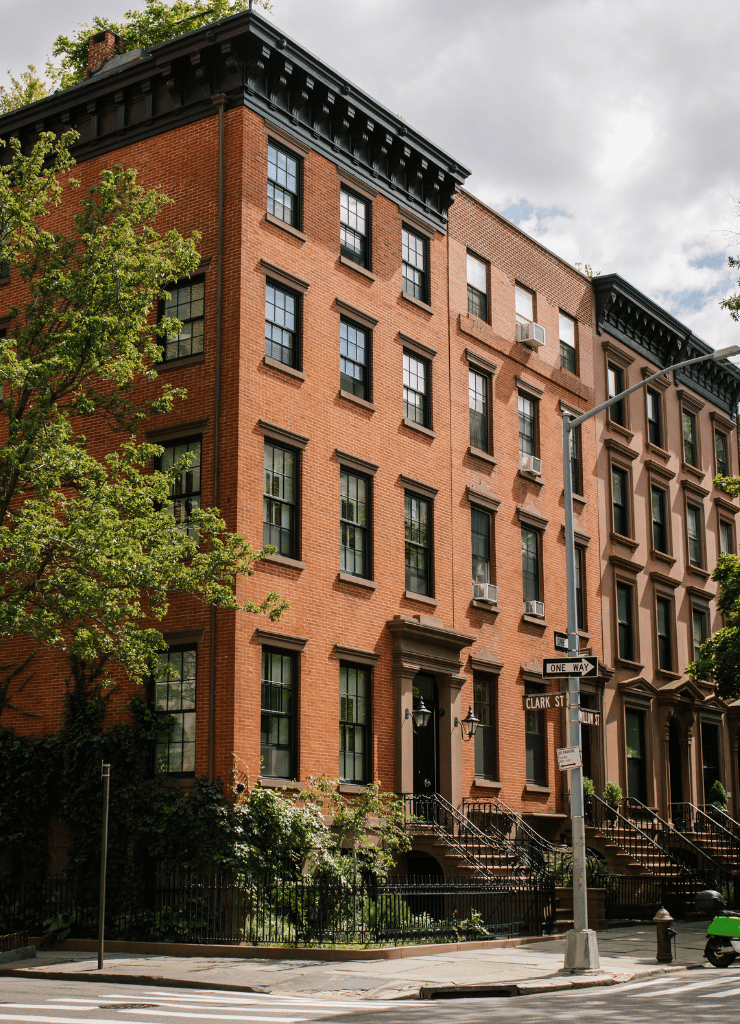
Flatbush is apartment-dominant by the numbers, but it earns its premium narrative from the rare pocketed Victorian enclaves and landmark protections that preserve quiet interior streets. That’s the core “mosaic”: pre-war apartments and mid-century buildings drive availability and rental velocity, while Ditmas Park, Prospect Park South, and newly designated historic districts pull higher-end buyers chasing space, porches, gardens, and architectural identity.
Pricing stratifies quickly by micro-area, which is why the neighborhood can read “affordable” and “estate-level” at the same time. Typical values are often cited around ~$690,753 in the broader housing data, while restored detached homes in the historic enclaves can list roughly $1.7M to $3.25M—creating a two-lane market with very different buyer motivations.

Decision Drivers
Why do buyers consider Flatbush over pricier north-Brooklyn options?
What makes Flatbush a true “park-access value play”?
Flatbush offers proximity to Prospect Park at a meaningfully lower entry point than Brownstone Brooklyn. Buyers often gain more square footage—and occasionally parking or garden space—without giving up the ability to reach Manhattan efficiently.
Why does the architecture pull in “suburban-ideal” shoppers?
The Victorian enclaves deliver a yard-and-porch lifestyle that’s rare inside NYC. That uniqueness creates emotional demand: historic character, freestanding homes, and protected streets that feel quieter than the commercial corridors suggest.
Market Mechanics
What supports long holds and keeps demand resilient?
How do institutions and capital projects stabilize the neighborhood?
Large anchors (Brooklyn College + SUNY Downstate) keep employment gravity and service demand steady. The $1.1B SUNY Downstate modernization signals long-term commitment to healthcare infrastructure that supports both livability and investment confidence.
Why do landmark designations matter to future pricing?
Historic district expansions protect the “quiet interior street” experience from out-of-scale change. That protection preserves scarcity in the Victorian submarkets—often the exact inventory buyers can’t replace elsewhere at similar pricing.
Frequently Asked Questions: What do smart buyers ask first?
Is Flatbush actually “affordable” for Brooklyn, or is that just marketing?
It’s relatively affordable versus the Brownstone Belt, not cheap in absolute terms. The neighborhood is still priced above many NYC areas, but it often provides a better price-per-square-foot and more space than Park Slope, Windsor Terrace, or similar park-adjacent markets.
What commute times can I realistically expect to Manhattan?
Lower Manhattan can be as quick as ~16 minutes, and Midtown can be around ~29 minutes on express service from key nodes. The Q line supports efficient Downtown access, while B express service improves Midtown reach; the Upper East Side is often cited around ~38 minutes via B.
Is Flatbush mostly single-family homes like Ditmas Park content makes it look?
No—Flatbush is overwhelmingly apartment-dominant, with ~92.1% classified as apartment or high-rise inventory. The Victorian enclaves are real and meaningful for pricing, but they’re a smaller slice compared to the broader multi-family and rental stock.
What’s the biggest quality-of-life tradeoff buyers should plan for?
Surface congestion is the consistent friction point on major corridors. Double-parking and traffic on corridors like Church and Nostrand can slow buses and daily errands, even when the interior streets feel calm and residential.
Why do people stay in Flatbush for a long time once they move in?
Look toward the Victorian enclaves and landmark-protected interior streets first. Ditmas Park, Prospect Park South, Beverley Square, and other preserved pockets tend to feel calmer than the high-intensity corridors near Flatbush/Church or the Junction.
Is the rental market tight, and does that impact buying?
Yes—Flatbush is renter-dominant (~89.2% renter-occupied) with low vacancy cited around ~3.5%. That tightness can sustain pricing for well-positioned assets and supports investor interest, especially near transit and park access.