
Understanding Brownstones & Townhouses
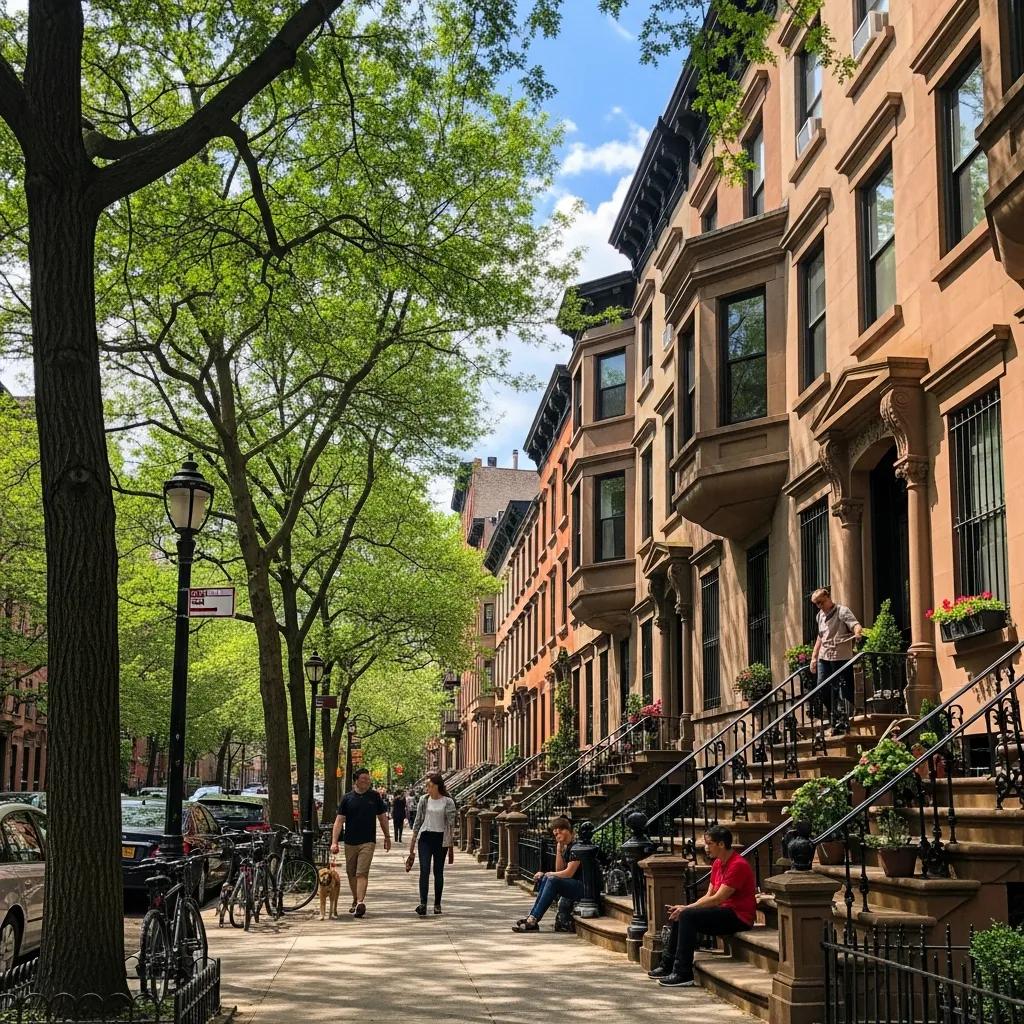
Explore Brooklyn’s Brownstones & Townhouses
What Defines Brownstones, Townhouses, and Stone Rowhouses in Brooklyn?
Brownstone Brooklyn Renovation & Material Characteristics
area in the 1950s and renovate brownstones and tenements? The material itself turned to a chocolate brown when exposed to the elements.
The invention of brownstone Brooklyn: Gentrification and the search for authenticity in postwar New York, 2011
Brooklyn Brownstone Renovation & Postwar Gentrification
The subway ride from Times Square to Brooklyn costs fifteen cents. It is a quick trip, just to the area in the 1950s and renovate brownstones and tenements?
The invention of brownstone Brooklyn: Gentrification and the search for authenticity in postwar New York, 2011
What Are the Architectural Features of Brooklyn Brownstones and Townhouses?
- Facades: Brownstones typically have a distinctive brown sandstone exterior, while townhouses may feature brick, limestone, or other materials.
- Stoops: Many brownstones have prominent stoops that lead to the entrance, providing a welcoming aspect to the street.
- Windows: Large, often arched windows are a hallmark of these properties, allowing for ample natural light.
- Interior Details: Inside, you can find original moldings, fireplaces, and hardwood floors that add to the charm and character of these homes.
How Do Stone Rowhouses Differ from Other Historic Properties?
Which Brooklyn Neighborhoods Feature Historic Brownstones and Townhouses?
- Brooklyn Heights: Known for its stunning brownstone-lined streets, this neighborhood offers a mix of historic charm and modern amenities.
- Park Slope: Famous for its tree-lined streets and family-friendly atmosphere, Park Slope features a variety of brownstones and townhouses that attract buyers seeking a vibrant community.
- Fort Greene: This neighborhood boasts a rich cultural history and a diverse array of architectural styles, including beautiful brownstones and townhouses.
Brooklyn Heights Historic District: Property Value Increase
The designation of the Brooklyn Heights historic district was approved; the area has stabilized and the value of the homes there has substantially increased.
Historic Preservation in the American City: A New York Case Study, 1971
What Are the Key Characteristics of Brooklyn’s Historic Districts?
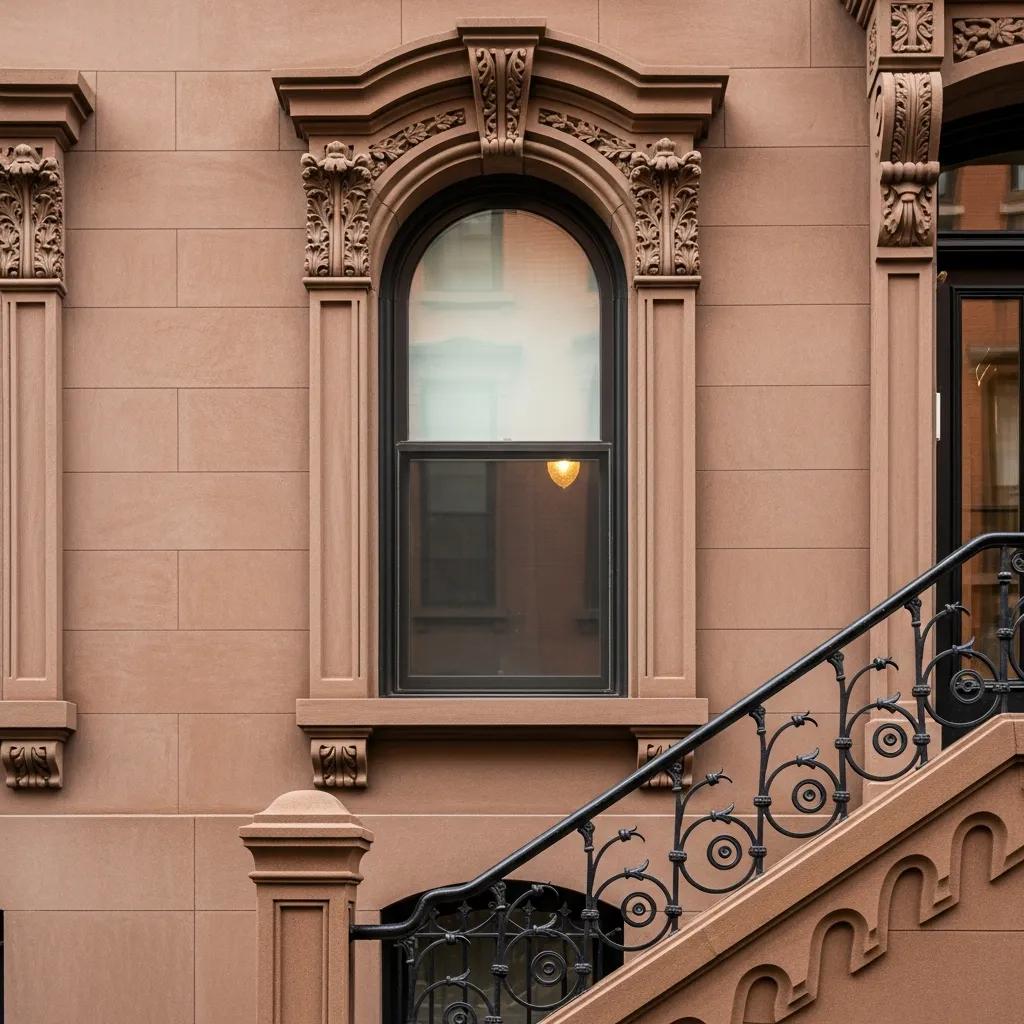
- Architectural Styles: Each historic district showcases a variety of architectural styles, from Italianate to Romanesque Revival, reflecting the diverse history of the area.
- Cultural Richness: These districts often host cultural events, art galleries, and local businesses that contribute to the vibrant community atmosphere.
- Preservation Efforts: Active preservation organizations work to maintain the integrity of these districts, ensuring that the historical character is preserved for future generations.
Brooklyn Historic District Designations & Community Impact
of seventeen historic district designations that took place from 2007 through 2015 in Brooklyn, New York, following a ten-year period that lacked any.
Preserving the Social Fabric of Community: A Mixed-Methods Analysis of The Newly-Designated Historic Districts in Brooklyn, New York (2007-2015), 2007
How Do Neighborhood Profiles Influence Property Value and Preservation Status?
- Market Trends: The demand for properties in specific neighborhoods can drive prices up, making it essential for buyers to stay informed about market conditions.
- Community Engagement: Active community involvement in preservation efforts can enhance property values and attract buyers interested in maintaining the area's historical character.
- Amenities and Services: Proximity to schools, parks, and public transportation can significantly impact property values, making certain neighborhoods more desirable than others.
How Does the Buying and Selling Process Work for Historic Homes in Brooklyn?
- Research: Understanding the local market and specific neighborhoods is crucial for making informed decisions.
- Financing: Securing financing for historic properties may require specialized loans or grants, so buyers should explore their options.
- Inspections: Conducting thorough inspections is essential to identify any potential issues with the property, especially in older homes.
What Steps Are Involved in Purchasing a Brownstone or Townhouse?
- Budget Determination: Establishing a clear budget is essential for narrowing down options and avoiding financial strain.
- Mortgage Pre-Approval: Obtaining pre-approval for a mortgage can strengthen a buyer's position when making an offer.
- Finding a Real Estate Agent: Partnering with an experienced real estate agent who specializes in historic properties can provide valuable insights and guidance throughout the process.
What Should Sellers Know About Listing Historic Properties?
- Pricing Strategies: Setting the right price is essential for attracting potential buyers while ensuring a fair return on investment.
- Staging Tips: Highlighting the unique architectural features and historical significance of the property can enhance its appeal.
- Marketing Channels: Utilizing various marketing channels, including online listings and social media, can help reach a wider audience of potential buyers.
What Are the Historic Preservation Laws and Regulations Affecting Brooklyn Properties?
- Overview of Preservation Laws: These laws are designed to protect historic properties from inappropriate alterations or demolitions.
- Impact on Renovations: Homeowners must adhere to specific guidelines when renovating historic properties to ensure compliance with preservation standards.
- Compliance Requirements: Understanding the necessary permits and approvals is essential for homeowners looking to make changes to their historic homes.
How Do Historic District Property Regulations Impact Renovations?
- Regulatory Requirements: Homeowners must obtain permits for any alterations, ensuring that changes align with the district's historical character.
- Common Renovation Challenges: Navigating the approval process can be time-consuming and may require additional documentation.
- Best Practices: Engaging with preservation experts and adhering to best practices can help homeowners successfully complete renovations while maintaining the property's historical integrity.
Where Can Buyers and Sellers Find Authoritative Preservation Resources?
- Key Organizations: Local preservation societies and historical commissions often provide valuable information and support for property owners.
- Online Resources: Websites dedicated to historic preservation offer guidelines, best practices, and updates on relevant laws and regulations.
- Local Contacts: Engaging with local preservation experts can provide personalized guidance and assistance throughout the buying or selling process.
What Are the Typical Renovation and Restoration Costs for Brooklyn Brownstones?
- Cost Factors: The condition of the property, the scope of work required, and the materials chosen can all influence overall costs.
- Average Expenses: On average, homeowners can expect to spend between $200 to $400 per square foot for renovations, depending on the complexity of the project.
- Budgeting Tips: Setting aside a contingency fund for unexpected expenses can help homeowners manage their renovation budgets more effectively.
Which Factors Influence Brownstone Restoration Expenses?
- Condition of the Property: The extent of damage or deterioration will significantly impact restoration costs.
- Scope of Work: Larger projects requiring extensive renovations will naturally incur higher costs.
- Material Choices: Selecting high-quality materials can enhance the property's value but may also increase overall expenses.
What Tips Help Manage Renovation Projects Effectively?
- Project Planning: Establishing a clear timeline and budget can help keep the project on track.
- Hiring Contractors: Selecting experienced contractors who specialize in historic renovations can ensure quality work.
- Timeline Management: Regularly reviewing progress and adjusting timelines as needed can help prevent delays and budget overruns.
How Can Investors Finance and Strategize Investments in Brooklyn Historic Homes?
- Financing Options: Various financing options, including traditional mortgages and specialized loans for historic properties, are available to investors.
- Investment Strategies: Understanding market trends and identifying undervalued properties can lead to successful investment opportunities.
- Market Analysis: Conducting thorough market analysis can help investors make informed decisions about potential purchases.
Investing in Historic Property: Tax Credits & Financial Incentives
This paper examines the legislative and administrative background for designating historic property for protection in the United States (US) and their rehabilitation against a whole series of financial inducements and mechanisms. The preservation of heritage buildings in the US forms an integral part of the property market. Market forces and government regulations in the form of preservation law, standards for rehabilitation and the revenue code dictate the success or failure of renovating historic buildings.
Real estate tax credits and other financial incentives for investing in historic property in the United States, 2002
Historic Tax Credits for Urban Property Redevelopment
tax credit markets to preserve historic properties, historic tax credits to argue that there are multiple and interrelated processes of financialization at work within a single building, including tax.
Layers of finance: Historic tax credits and the fiscal geographies of urban redevelopment, R Tapp, 2019
What Financing Options Are Available for Brownstone and Townhouse Buyers?
- Types of Loans: Conventional mortgages, FHA loans, and renovation loans are common choices for buyers.
- Grants and Assistance: Some programs offer financial assistance for buyers of historic properties, making homeownership more accessible.
- Pre-Approval Process: Obtaining pre-approval can strengthen a buyer's position in a competitive market.
What Are Effective Investment Strategies in the Brooklyn Real Estate Market?
- Market Trends: Staying informed about local market trends can help investors identify opportunities for growth.
- Investment Types: Diversifying investments across different property types can mitigate risk and enhance returns.
- Risk Management: Implementing risk management strategies, such as thorough property inspections and market analysis, can protect investments.