
Brooklyn Transit and Commute Guide

March 22, 2026

Brooklyn Transit and Commute Guide
Brooklyn Transit and Commute Guide: Comprehensive Subway Maps, Neighborhood Commute Times, and NYC Transit Options

Navigating Brooklyn’s extensive transit system can be a daunting task for both residents and newcomers. This guide aims to simplify the complexities of commuting in Brooklyn by providing detailed information on subway lines, neighborhood connections, and various transit options available. Readers will learn about the key subway lines, their schedules, and how they connect to major neighborhoods, as well as the impact of commute times on real estate desirability. Understanding these elements is crucial for anyone looking to optimize their daily travel or make informed decisions about living in Brooklyn. This article will cover essential topics, including the best neighborhoods for commuting, the influence of transit accessibility on property values, and alternative transit options beyond the subway.

What Are the Key Brooklyn Subway Lines and Their Schedules?

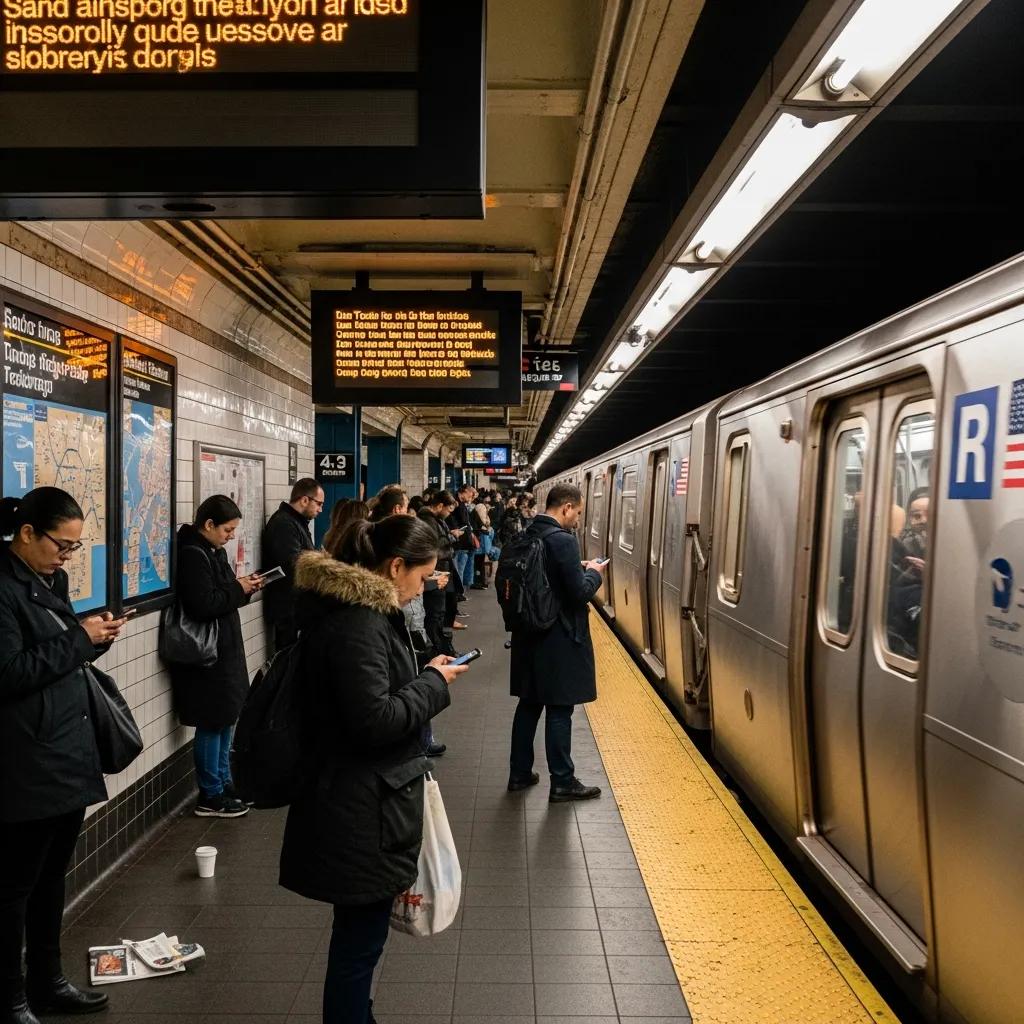
Brooklyn’s subway system is a vital component of New York City’s public transportation network, featuring several key lines that facilitate efficient travel across the borough. The primary subway lines include the A, C, F, G, L, N, Q, R, and 2, 3, 4, 5 lines, each serving different neighborhoods and providing various schedules to accommodate commuters.

The A and C lines run express and local services, respectively, connecting Brooklyn to Manhattan and beyond. The F line offers a crucial link between neighborhoods like Park Slope and Downtown Brooklyn, while the L line is popular for its rapid service to Manhattan. The N and Q lines serve the southern parts of Brooklyn, providing access to Coney Island and other coastal areas. Understanding the schedules of these lines is essential for planning efficient commutes.

How Do Brooklyn Subway Lines Connect to Major Neighborhoods?

The subway lines in Brooklyn are strategically designed to connect major neighborhoods, enhancing accessibility and convenience for commuters. For instance, the A and C lines serve neighborhoods such as Bedford-Stuyvesant, Crown Heights, and East New York, while the F line connects areas like Carroll Gardens and Red Hook.

Additionally, the L line provides direct access to Williamsburg, a hub for young professionals and creatives, making it a desirable location for those who work in Manhattan. The N and Q lines further extend connectivity to neighborhoods like Brighton Beach and Sheepshead Bay, ensuring that residents can easily reach various destinations across the borough and into Manhattan.

Where Can You Find Updated Brooklyn Train Schedules?

Staying informed about train schedules is crucial for effective commuting. Updated Brooklyn train schedules can be found through several reliable resources. The official MTA website provides real-time updates and detailed information about service changes, delays, and planned maintenance.

In addition to the MTA website, various transit apps, such as Citymapper and Transit, offer user-friendly interfaces that allow commuters to check schedules and receive alerts about service disruptions. Local news sources also frequently report on transit updates, ensuring that residents are well-informed about any changes that may affect their daily travel.

Which Brooklyn Neighborhoods Offer the Best Commute Times by Subway?

Neighborhood | Commute Time | Transit Mode

NeighborhoodCommute TimeTransit Mode
Williamsburg20 minutesL line
Park Slope30 minutesF line
Brooklyn Heights25 minutes2, 3 lines
Crown Heights35 minutesA, C lines
Bay Ridge40 minutesR line

These neighborhoods not only offer quick access to Manhattan but also boast vibrant communities and amenities that enhance the living experience.

How Do Commute Times Vary Across Brooklyn Neighborhoods?

Commute times in Brooklyn can vary significantly based on the neighborhood and the subway line used. Factors influencing these variations include the distance to subway stations, the frequency of service, and the number of transfers required.

For example, neighborhoods like Williamsburg and Brooklyn Heights benefit from direct subway lines to Manhattan, resulting in shorter commute times. In contrast, areas further from the subway lines, such as Bay Ridge, may experience longer travel times due to the need for transfers or less frequent service. Understanding these dynamics is essential for residents to make informed decisions about their living arrangements.

What Transit Factors Influence Neighborhood Desirability?

Transit accessibility plays a crucial role in determining the desirability of neighborhoods in Brooklyn. Areas with convenient subway access tend to attract more residents, leading to increased demand for housing and higher property values.

Studies emphasize that equitable and easy access to public transportation is a cornerstone of social justice, directly impacting a neighborhood’s appeal and the overall utility of its transit system.

NYC Subway Accessibility & Public Transit Utility

Enhancing the utility of public transportation through easy and equitable access has become one of the focal points in the pursuit of social justice goals. This study aims to provide a

Assessing spatial and racial equity of subway accessibility: Case study of New York City, A Baghestani, 2024

Factors such as proximity to subway stations, the availability of express trains, and the overall reliability of service significantly impact buyer preferences. Neighborhoods that offer easy access to multiple transit options are often viewed as more desirable, making them attractive to both renters and homebuyers.

What Are the Available NYC Transit Options in Brooklyn Beyond the Subway?
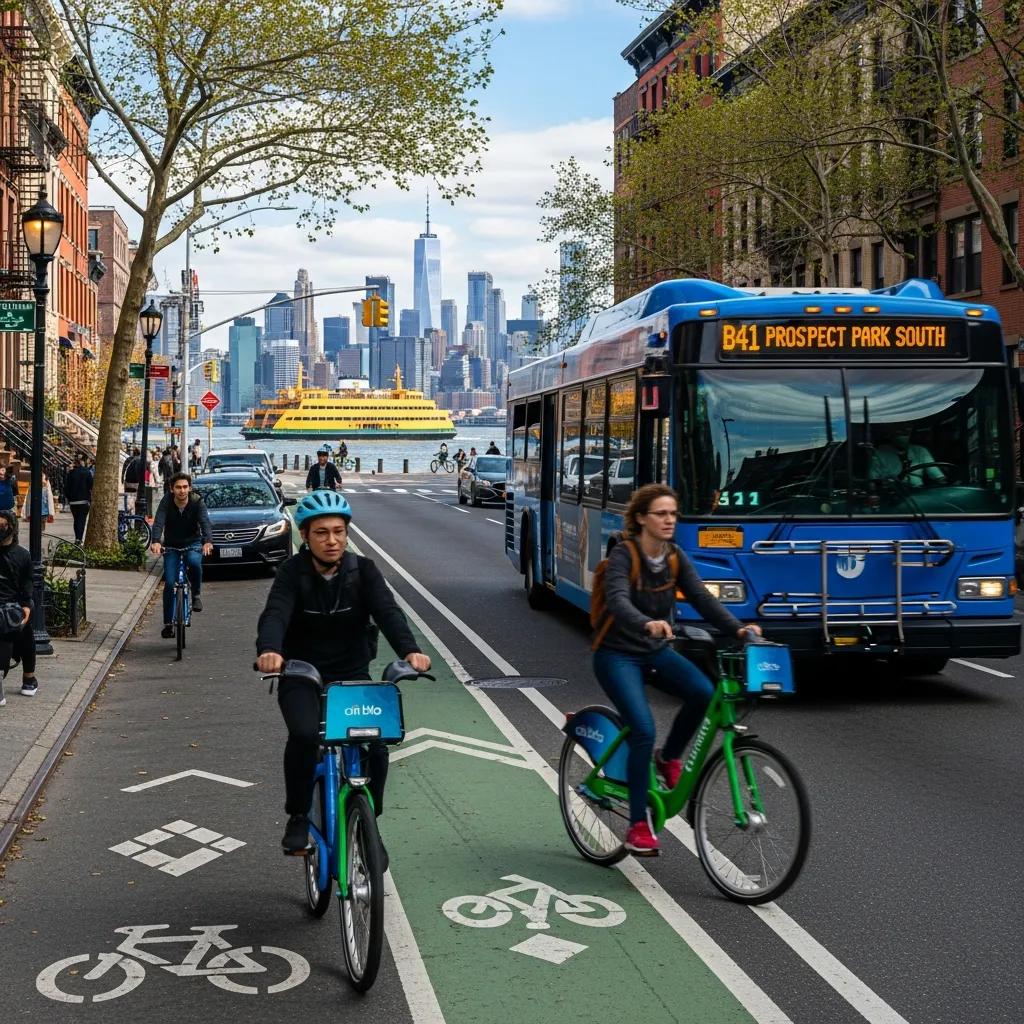
While the subway is a primary mode of transportation in Brooklyn, several other transit options complement the subway system. These include bus services, ferry services, and bike lanes, each providing unique benefits for commuters.

  • Bus Services: The MTA operates an extensive network of bus routes that connect neighborhoods not served by subway lines, offering additional flexibility for commuters.
  • Ferry Services: NYC Ferry provides a scenic and efficient way to travel between Brooklyn and Manhattan, with routes that connect popular waterfront neighborhoods.
  • Bike Lanes: Brooklyn has invested in expanding its bike lane infrastructure, promoting cycling as a viable alternative for short-distance commutes.

These options enhance the overall transit experience, allowing residents to choose the most convenient and efficient mode of transportation for their needs.

How Do Bus and Ferry Services Complement Brooklyn Transit?

Bus and ferry services play a vital role in complementing Brooklyn’s subway system, providing essential connections and enhancing overall transit accessibility. Buses serve areas that may not be directly accessible by subway, ensuring that residents can reach their destinations without significant delays.

Ferry services, on the other hand, offer a unique commuting experience, allowing passengers to enjoy views of the Manhattan skyline while traveling across the water. The integration of these services with the subway system creates a comprehensive transit network that meets the diverse needs of Brooklyn’s residents.

What Role Do Bike Lanes and Alternative Transit Modes Play in Brooklyn Commutes?

The expansion of bike lanes and alternative transit modes has transformed commuting in Brooklyn, providing residents with more options for getting around. Bike lanes promote cycling as a healthy and environmentally friendly alternative to driving or taking public transit.

Additionally, the rise of rideshare services and electric scooters has further diversified commuting options, allowing residents to choose the most convenient mode of transportation for their specific needs. This shift towards alternative transit modes not only reduces congestion but also contributes to a more sustainable urban environment.

How Does Transit Accessibility Affect Brooklyn Real Estate Markets?

Transit accessibility significantly influences Brooklyn’s real estate markets, with neighborhoods that offer convenient subway access often experiencing higher property values. Buyers are increasingly prioritizing proximity to transit options, recognizing the importance of efficient commuting in their daily lives.

As a result, neighborhoods with robust transit infrastructure tend to attract more interest from potential buyers, leading to increased demand and rising property prices. Understanding these trends is essential for both buyers and sellers in the Brooklyn real estate market.

What Is the Relationship Between Commute Times and Property Demand?

There is a clear relationship between commute times and property demand in Brooklyn. Shorter commute times to Manhattan are often associated with higher demand for housing, as residents seek to minimize travel time and maximize convenience.

Statistical analyses show that neighborhoods with direct subway access and shorter travel times tend to have higher property values, reflecting the desirability of these locations. This trend underscores the importance of transit accessibility in shaping the real estate landscape in Brooklyn.

Further research delves into the intricate dynamics of commute times, exploring how shifts in neighborhood demographics can significantly alter daily travel patterns.

NYC Neighborhood Commute Time Dynamics

commuting times. The goal of this paper is to examine these extreme changes by focusing on understanding how changes in neighborhood compositions influence commuting time changes. Analyzing

Do shifts in the racial and ethnic composition of a neighborhood lead to extreme changes in commuting times? evidence from

New York City, DM Baker, 2024

Which Brooklyn Neighborhoods Offer Real Estate Near Transit Hubs?

Several neighborhoods in Brooklyn offer real estate options near transit hubs, making them attractive to commuters. These areas provide easy access to subway lines and other transit options, enhancing their appeal to potential buyers.

The evolving desirability of specific areas, particularly in North Brooklyn, is often linked to the development of transit infrastructure and alternative transportation services.

North Brooklyn Transit & Neighborhood Desirability

This essay will focus on neighbourhoods in North Brooklyn. The North Brooklyn waterfront became Mayor, that the waterfront became a desirable prospect to City Planning and private

Failed neighbourhood legitimacy: Alternative transportation and sanitation services in North Brooklyn, 2019

  1. Williamsburg: Known for its vibrant arts scene and nightlife, Williamsburg offers a range of housing options near the L line.
  2. Brooklyn Heights: This historic neighborhood features beautiful brownstones and is conveniently located near the 2 and 3 subway lines.
  3. Crown Heights: With a diverse community and growing amenities, Crown Heights provides access to the A and C lines, making it a desirable location for commuters.

These neighborhoods not only offer convenient transit access but also vibrant communities that enhance the living experience.

Where Can Buyers and Sellers Find Current Brooklyn Transit Updates and Service Alerts?

Staying informed about transit updates is essential for both buyers and sellers in the Brooklyn real estate market. Current transit updates and service alerts can be found through various channels, including the official MTA website, transit apps, and local news sources.

These resources provide real-time information about service changes, delays, and planned maintenance, ensuring that residents are well-informed about any factors that may affect their daily commutes. By staying updated, buyers and sellers can make informed decisions regarding their real estate investments.

How Are MTA Service Changes Communicated to Brooklyn Residents?

The MTA employs several methods to communicate service changes to Brooklyn residents. Official channels include the MTA website, social media platforms, and email alerts, which provide timely information about service disruptions and planned maintenance.

Community engagement initiatives, such as public meetings and outreach programs, also play a crucial role in keeping residents informed about transit developments. By utilizing these communication strategies, the MTA ensures that Brooklyn residents are aware of any changes that may impact their commuting experience.

What Resources Provide Real-Time Transit Information for Brooklyn Commutes?

Accessing real-time transit information is essential for effective commuting in Brooklyn. Several resources provide up-to-date information about subway schedules, service alerts, and transit options.

  • Transit Apps: Applications like Citymapper and Transit offer real-time updates and route planning features, making it easier for commuters to navigate the transit system.
  • Official MTA Website: The MTA's website provides comprehensive information about service changes, schedules, and alerts, ensuring that residents have access to the latest updates.
  • Local News Sources: Many local news outlets report on transit developments, providing additional insights and updates for Brooklyn residents.

These resources empower commuters to make informed decisions about their travel plans, enhancing the overall transit experience in Brooklyn.